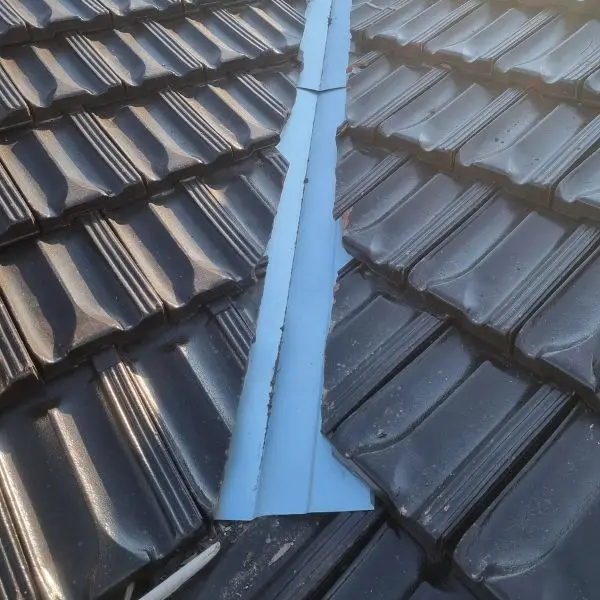
Early concrete tile at sixty years — porous, chalky and very restorable
The concrete tiles laid across Thomastown in the postwar decades were a cost-effective product for fast, affordable housing, and they've done their job for a long time. What they were never given was a durable surface. Six decades of UV and Melbourne rain strips the original pigment layer back until the tile face is exposed cement — chalky to the touch, noticeably porous, and quick to hold moss on any shaded pitch. Porosity is the important part: a tile drinking water is heavier, slower to dry and far more vulnerable to freeze-thaw damage on cold mornings. The good news is that this is close to an ideal restoration case. The tiles are structurally sound, and a proper clean, repoint and three-coat membrane system seals the surface and returns the roof to full weatherproofing for another ten to fifteen years — at a small fraction of replacement cost. Replacement is genuinely warranted here only where tiles have started cracking and delaminating rather than merely fading.