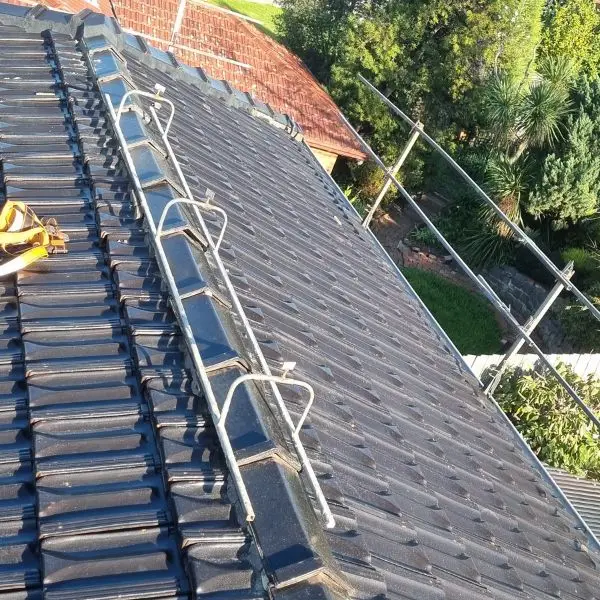
First-cycle roofs on exposed growth-corridor sites
A twenty-five-year-old concrete tile roof in Epping has a completely different problem list to an eighty-year-old terracotta roof five suburbs south. The tiles themselves are usually still structurally sound and nowhere near end of life — what has aged is the factory colour coat, which chalks and fades under UV long before the tile fails, and the ridge bedding, which on 1990s-era construction was frequently laid in rigid cement that has now cracked. The other defining factor is exposure. The growth corridor is open, flat and largely cleared, without the mature canopy that shelters the inner north, so Epping roofs take considerably more direct wind. We see the consequences at the edges: lifted and shifted ridge caps, loosened barge capping, and on metal roofs, backed-out or fatigued fasteners along exposed runs. The upside is that a roof caught at this stage is cheap to keep — a repoint and recoat now avoids the far more expensive intervention a neglected roof needs at forty years.